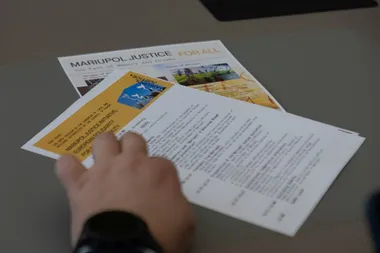
European Parliament calls for recognition of Mariupol’s destruction as a deliberate crime against humanity and presents justice recovery initiative
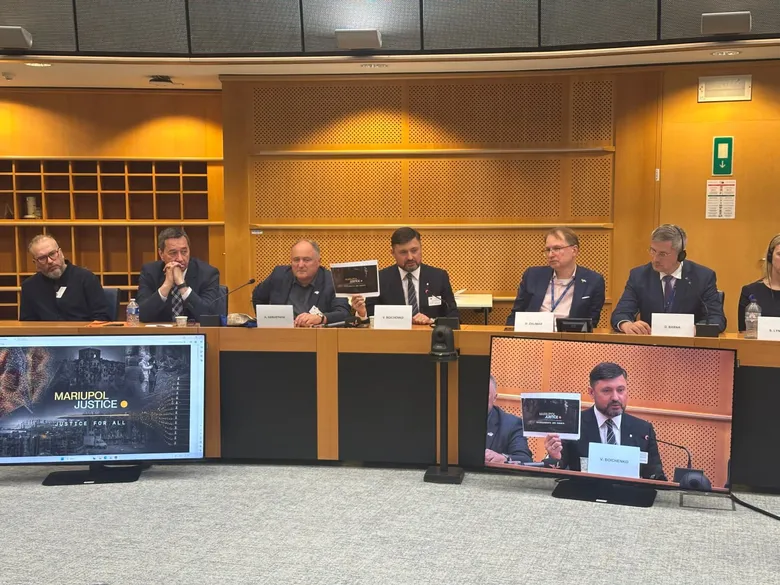
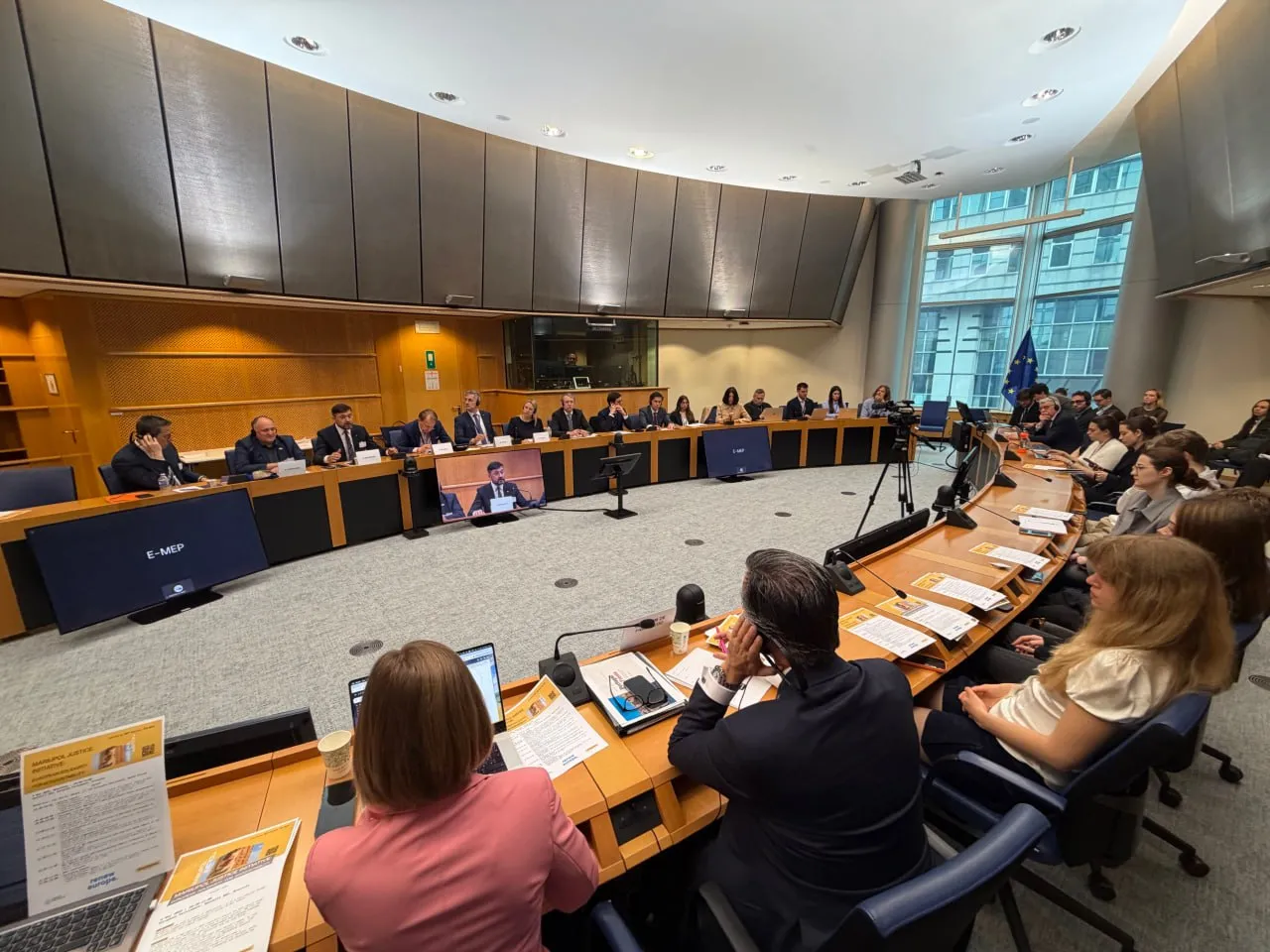
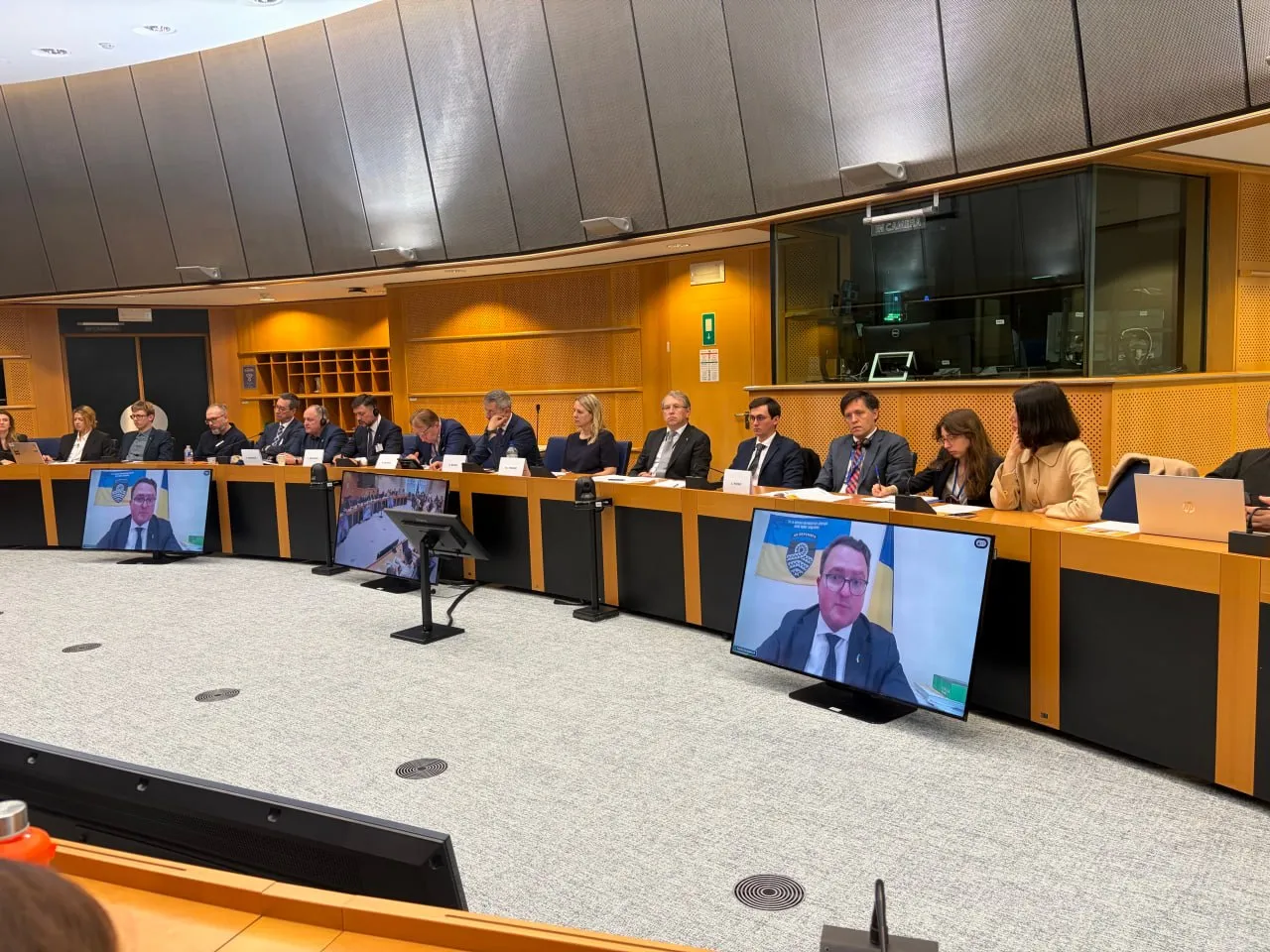
On 6 May 2026, the European Parliament in Brussels hosted the special event “The European Municipal Dimension of Accountability: the Mariupol Justice Initiative”, focused on documenting crimes committed by Russia during the siege of Mariupol and advancing international mechanisms for accountability and compensation for victims. During the discussion, participants called for the destruction of Mariupol to be internationally recognized and legally assessed as a deliberate crime against humanity.
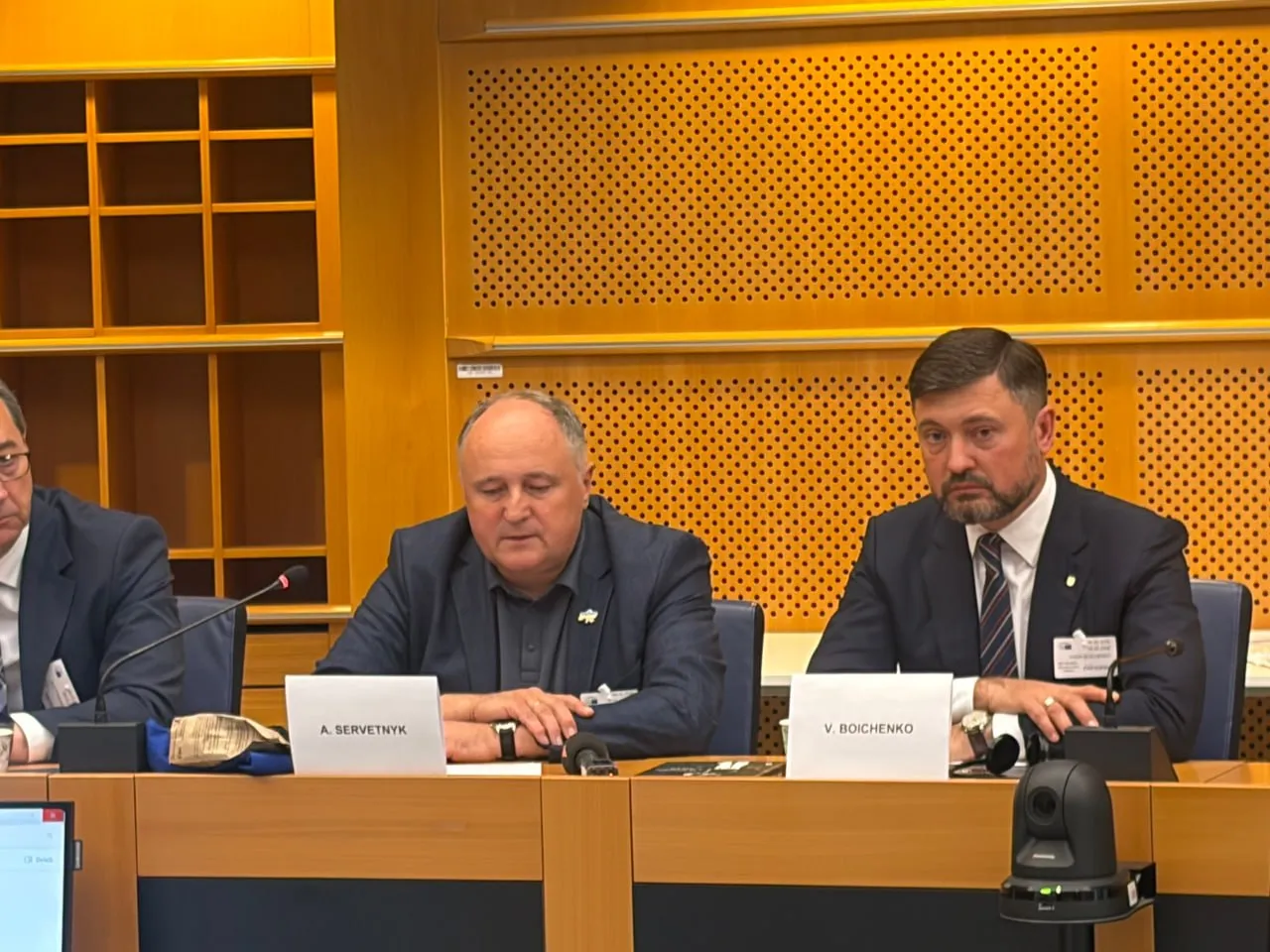
One of the central moments of the event was the testimony of Andrii Servetnyk, chief physician of Mariupol Hospital No. 4, who worked in the city during the siege in spring 2022. He spoke about how the hospital continued operating after losing access to water, electricity, and heating; performing surgeries under constant shelling; severe shortages of medical supplies; and the impossibility of evacuating the wounded.
розстрілювали місто і вбивали його мешканців. Тіла ми складали біля приймального відділення і вони зайняли площу біля 50 кв м в декілька рядів. Просто уявіть собі, це як однокімнатна квартира повністю завантажена тілами в декілька рядів. Коли нам довелось евакуюватися, російські солдати вивезли і кинули всі тіла загиблих маріупольців в братську могилу. Серед них було чимало дітей», – Андрій Серветник, головний лікар Маріупольської лікарні №4
When the city was surrounded, we became the only multidisciplinary hospital still operating on the Left Bank of Mariupol. Doctors worked around the clock, without rest, risking their own lives. At times, we were performing 30 to 40 surgeries a day. Most patients suffered blast and shrapnel injuries. There were countless amputations and wounds caused by debris from collapsing buildings, windows, and doors. The Russians spared no one — they systematically shelled the city and killed its residents. We had to place bodies outside the emergency department, covering an area of around 50 square meters in several rows. Imagine a one-room apartment completely filled with bodies, stacked row upon row. When we were eventually forced to evacuate, Russian soldiers removed the bodies of the dead Mariupol residents and dumped them into a mass grave. Many of them were children, said Andrii Servetnyk, chief physician of Mariupol Hospital No. 4.
Thousands of stories like the testimony of Andrii Servetnyk remain today the only source of information about those killed in Mariupol, the locations of burials, and the circumstances of people’s deaths. To collect and verify this evidence, the Mariupol Justice initiative was created. It is a global human rights project that combines documentation, recognition of crimes, and the pursuit of justice. Presenting the initiative, Vadym Boichenko, Head of the Mariupol City Military Administration and Mayor of Mariupol, stressed that this work forms the foundation for future accountability and compensation mechanisms. According to him, the project brings together eyewitness testimonies, satellite data, official records, community reports, and other sources, all of which undergo verification and validation for future use in international legal mechanisms.
Our goal is very simple, though the path is incredibly difficult: to have the tragedy that happened in Mariupol — and is still happening today in Ukrainian cities across the Donetsk region — recognized as a deliberate crime against humanity. Today, we already have critically important tools such as the International Register of Damage, which makes it possible to document the truth about the crimes Russia has committed against Ukrainian cities. Mariupol is currently leading this effort, helping build the foundation for future justice. Another crucial step now under discussion is the establishment of a compensation commission. I hope that the decisions we are hearing about today will finally lead to concrete action — ideally within this year. Russia must face responsibility for what it has done in Ukraine. It is also essential that the decisions regarding the special tribunal become operational this year. Russia must be held accountable for these crimes before an international tribunal, said Vadym Boichenko, Head of the Mariupol City Military Administration and Mayor of Mariupol.
According to the project’s data, Russian attacks destroyed 929 apartment buildings and more than 6,400 private homes in Mariupol. Based on the World Bank’s DLA damage assessment methodology, the estimated number of civilian deaths is around 22,000 people, while 12,500 deaths have been officially verified. The true scale of the losses still cannot be fully determined due to mass burials, destroyed records, and the city’s prolonged occupation.
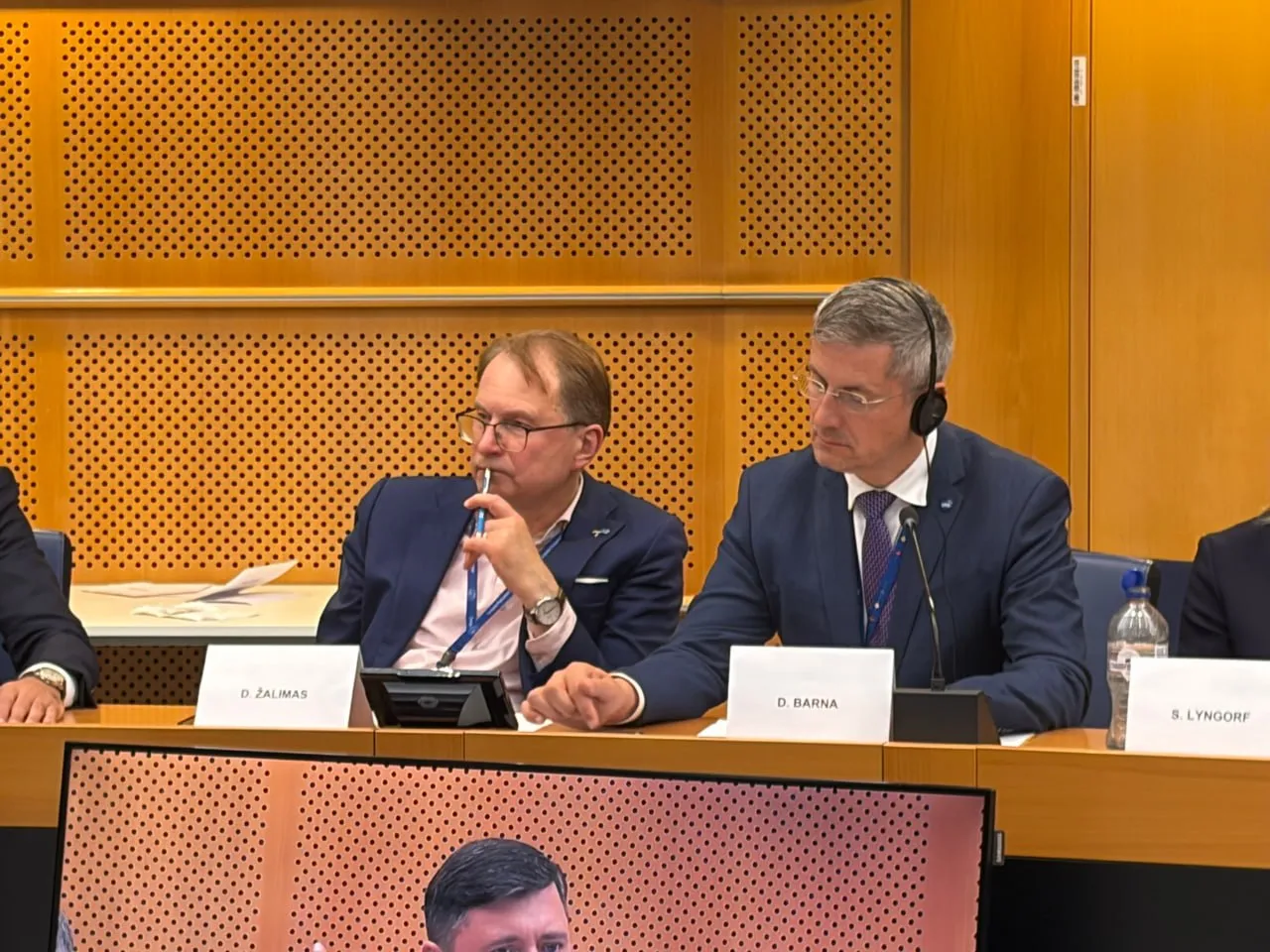
Member of the European Parliament Dainius Žalimas, under whose patronage the event was held, stressed the need for an international legal response to the crimes committed by Russia in Mariupol. Speakers repeatedly emphasized that Mariupol is increasingly becoming a defining European case in shaping approaches to documenting mass crimes against civilians.
Local initiatives such as this justice initiative can make a real contribution to international justice mechanisms. The work being carried out within this initiative — documenting crimes, supporting victims, preserving memory — is directly connected to the ongoing investigation of the International Criminal Court. There is no doubt that what happened constitutes a crime against humanity that must be properly investigated and prosecuted. At the same time, the process of establishing a future special tribunal for the crime of aggression, as well as a compensation mechanism, is already underway, said Dainius Žalimas, Member of the European Parliament (Renew Europe).
The event brought together international diplomats, parliamentarians, legal experts, and representatives of civil society. Discussions placed particular emphasis on Russia’s accountability, the further development of compensation mechanisms for affected Ukrainians, the legal qualification of crimes committed during the siege of Mariupol, and the creation of a solid evidentiary base for future international court proceedings.
The European Union is already actively involved in the practical establishment of a special tribunal for the crime of aggression against Ukraine. According to Loránt Havas, Head of the EU External Relations Law and Public International Law Division at the European External Action Service, justice for Mariupol and for Ukraine is directly tied to trust in international law and to the ability of international institutions to ensure accountability for war crimes.
What is at stake is trust in international law itself. We are witnessing the reality of this war — a war of aggression that violates every fundamental norm of international law. And for us, as lawyers, justice for Mariupol — and more broadly, justice for Ukraine — must be comprehensive. First and foremost, this means accountability of political leaders and accountability for the crime of aggression. That is precisely why we are actively involved in establishing a special tribunal for the crime of aggression against Ukraine. We hope to find the best possible solution — both financially and institutionally — so that the tribunal can begin its work as soon as possible, said Loránt Havas, Head of the EU External Relations Law and Public International Law Division at the European External Action Service.
Particular attention during the discussion was also given to the work of international compensation mechanisms. Sandra Lingdorf, Deputy Executive Director of the Register of Damage Caused by the Aggression of the Russian Federation against Ukraine, emphasized the importance of systematically documenting losses and collecting verified data for the future review of victims’ claims.
Accountability is often viewed through the lens of criminal justice, but justice for victims is also about recognition, recovery, and the ability to rebuild — which is why compensation is central to this process. Compensation acknowledges the harm that has been done. It affirms people’s rights and creates a pathway toward recovery. To make this possible, the international community, together with Ukraine, is building a structured three-part system: the Register of Damage for Ukraine, a future international compensation commission, and a compensation fund. These are not separate initiatives. They are parts of one unified architecture, said Sandra Lingdorf, Deputy Executive Director of the Register of Damage Caused by the Aggression of the Russian Federation against Ukraine.
During the presentation of Mariupol Justice, the project team demonstrated how the register of Mariupol’s civilian victims is being developed. The system combines eyewitness testimonies, law enforcement data, official records, open-source information, and evidence gathered through international partnerships. The collected materials are used to document crimes, support international investigations, and contribute to future compensation processes.
According to participants, the experience of Mariupol is already shaping international approaches to documenting atrocities, ensuring accountability, and securing compensation for affected communities.
Background
Mariupol Justice is an international human rights initiative launched by the Mariupol City Council to document crimes, record destruction, and restore justice for the people of Mariupol affected by Russian aggression. The initiative combines legal, social, and memorial dimensions of work and operates both as a practical accountability mechanism and as a cultural and historical platform. Its core mission is to achieve international recognition of the Mariupol tragedy and restore justice for thousands of Mariupol families.
The special event at the European Parliament was organized by the Mariupol City Military Administration in cooperation with Member of the European Parliament Dainius Žalimas.
Photo gallery:
READ ALSO:
The Hague Hosts Discussion on the International Accountability Framework for Russia’s Crimes Through the Lens of Mariupol
Mariupol Justice presented in Brussels as the first international model for restoring justice to a war-affected Ukrainian city