

About the Mariupol Justice Project
Mariupol Justice is an international human rights initiative by the Mariupol City Council aimed at documenting, recording, and restoring justice regarding the destruction, crimes, and affected population of Mariupol resulting from Russian aggression, through legal, social, and memorial work. Mariupol Justice has both practical and cultural-historical dimensions.
The Main Goal of the Project
International recognition of the Mariupol tragedy and the restoration of justice for thousands of Mariupol families.
Project Goals
Documenting destruction and historical facts.
Collecting data on destroyed infrastructure and property through official registries, as well as recording this data for further use in international processes and cases.

Legal documentation and damage compensation.
Ensuring fair compensation for the residents and the city of Mariupol, which suffered significant losses. This includes legal work on registering destruction facts and filing claims for compensation at both national and international levels.

Preserving memory and historical truth.
An important part of the project includes exhibition and memorial events that tell the story of Mariupol's defense, crimes of the Russian military, and the tragedy of the local population, thereby contributing to the formation of historical memory and spreading the truth about events.

CONSEQUENCES OF MARIUPOL'S DESTRUCTION
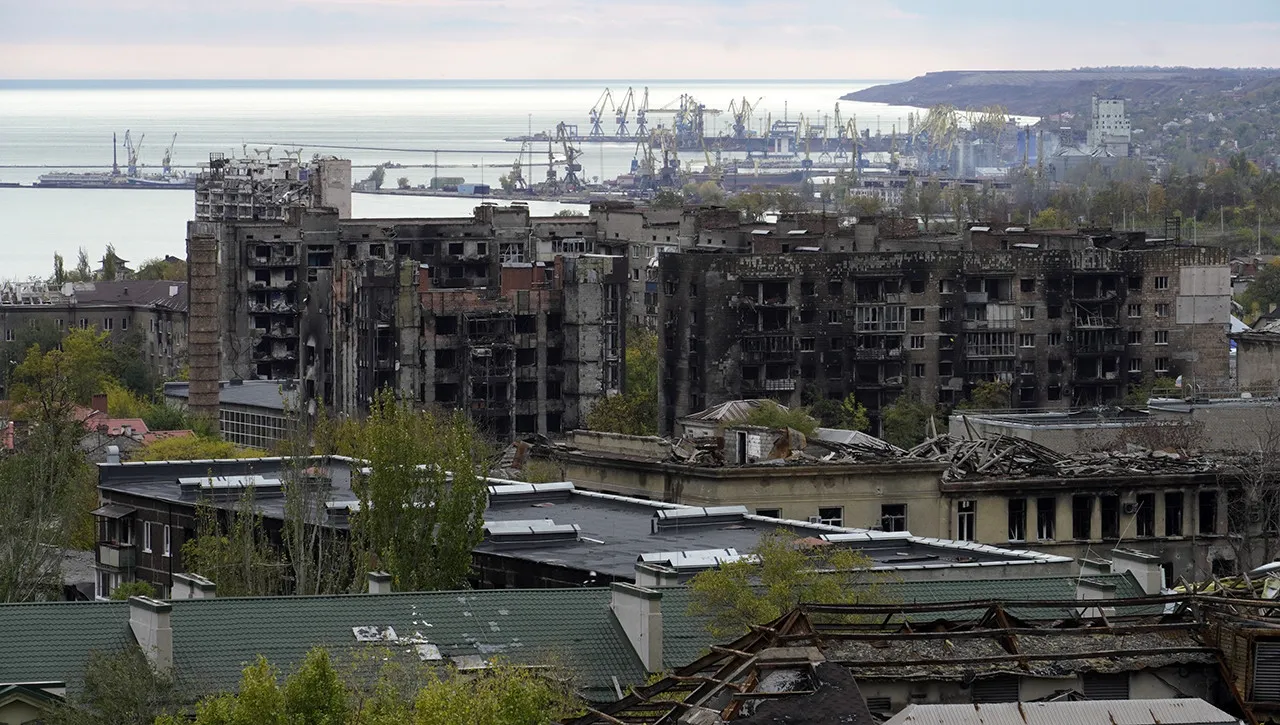
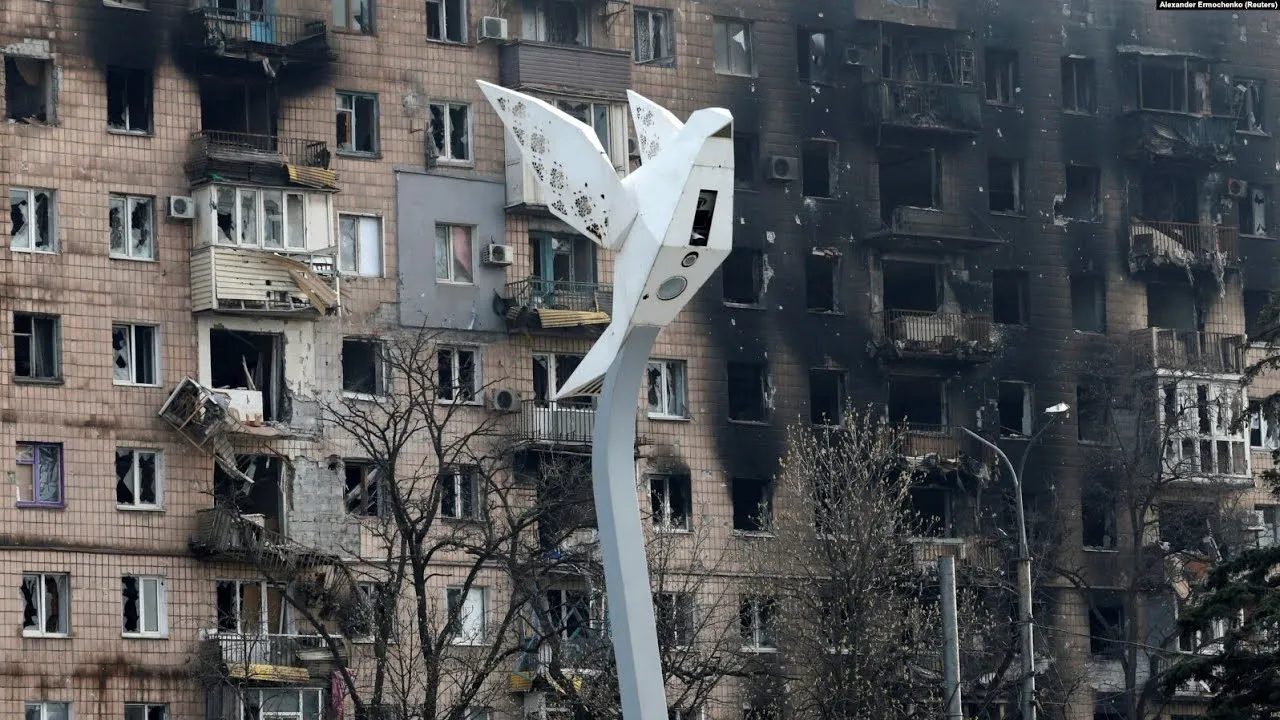
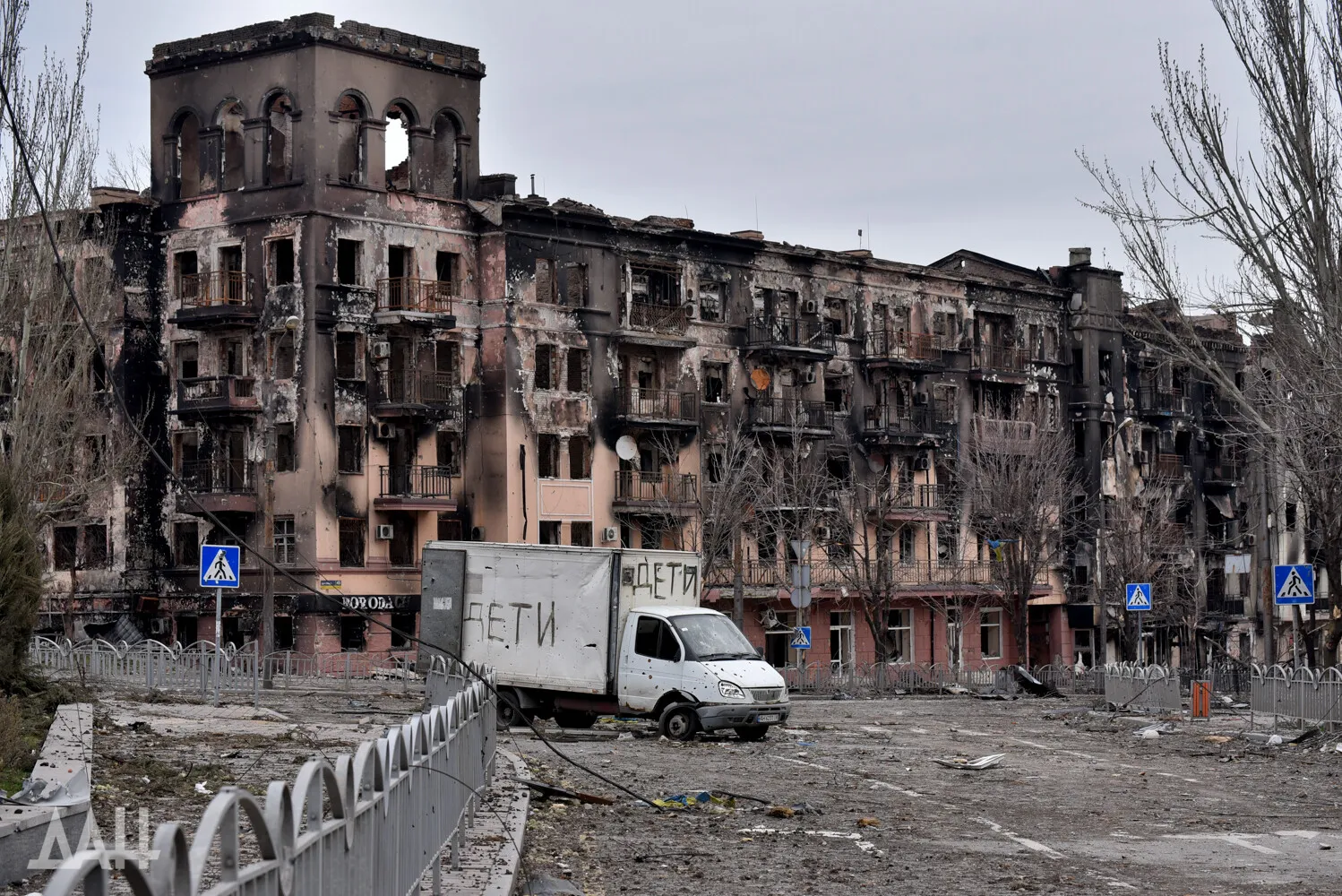
Mariupol suffered massive destruction, mass casualties, and human rights violations during the full-scale Russian military aggression in 2022. The city was under siege and intense combat operations for 86 days. According to city authorities, over 90% of residential and municipal infrastructure was damaged, with approximately 40% of buildings completely destroyed. This includes not only residential buildings but also dozens of medical facilities, schools, kindergartens, as well as transport, energy, and industrial infrastructure.
The hostilities were accompanied by mass casualties among the civilian population. To date, information has been collected on 12,500 killed or missing Mariupol residents, but this figure is not final. The number of recorded violations of international humanitarian law during the siege numbers in the hundreds.
After Ukraine lost control of the city, the Mariupol tragedy acquired a separate legal and international dimension. The scale of destruction, the number of victims, and the volume of damage became the basis for systematic documentation of facts, evidence collection, and the formation of a database of destroyed property and affected persons. These circumstances led to the search for mechanisms of legal responsibility of the aggressor state and compensation for damages.


damaged
destroyed

Project Activities
1. International Initiatives:
presentations, advocacy, Declaration of Justice ↗
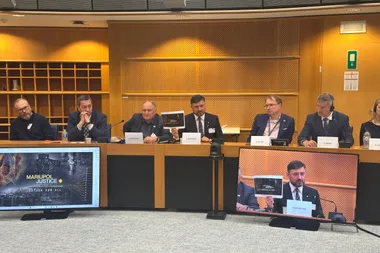
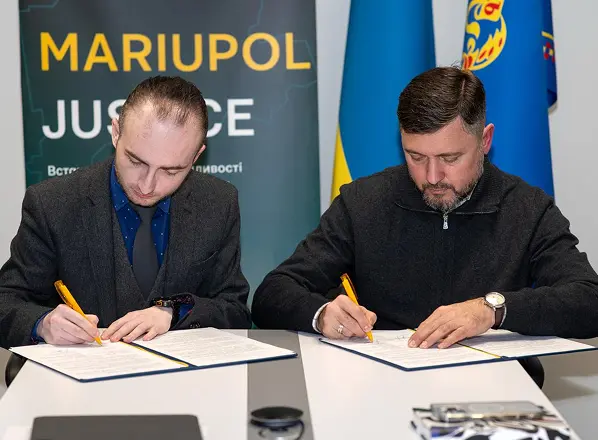
The Mariupol Justice project was presented in October 2025 in Wrocław (Poland) as a human rights international initiative aimed at drawing the attention of the global community to war crimes committed against the civilian population of Mariupol and encouraging countries and organizations to take joint action in condemning the aggression.
During the presentation, the First Mariupol Declaration of Justice was signed. The signatories of the Declaration recognize the deliberate destruction of the city by the Russian army as a tragedy of global scale. This is an act of international solidarity with Ukrainian Mariupol.
Although Mariupol Justice is implemented by the Mariupol City Council, the broad international community, human rights and civil society organizations support the project and participate in documenting crimes in Mariupol, which is part of the overall international advocacy for justice.
2. Dialogue Meetings:
workshops, testimony collection, participation of Mariupol residents in discussions.
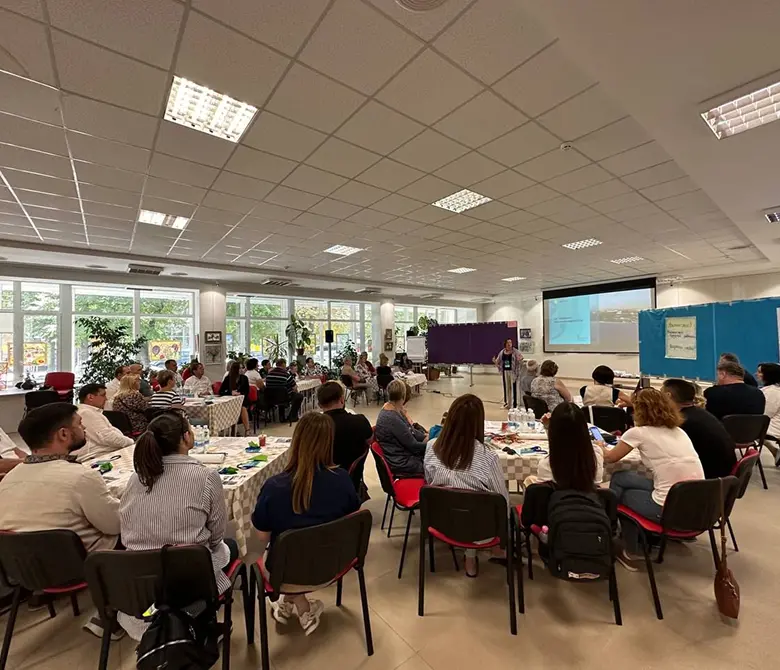
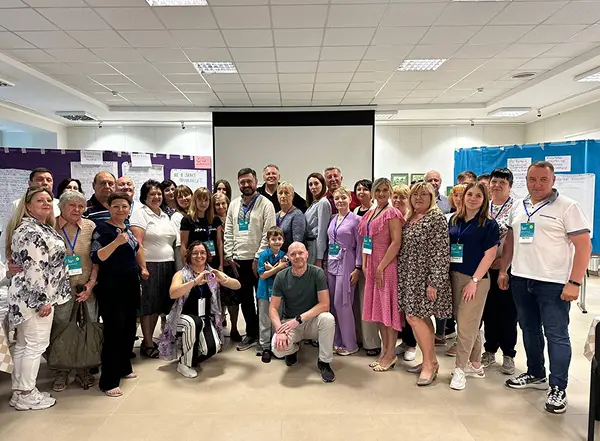
The project was formed through a series of dialogue meetings with Mariupol residents at the "I am Mariupol" centers.
Participants had the opportunity to directly express their needs and priorities, share testimonies about the consequences of the war, and propose mechanisms for legal, social, and economic reparations. These meetings were held in the format of workshops and round tables, with the participation of local government representatives, human rights defenders, and experts, which allowed aligning the community's vision with national and international initiatives on documenting crimes and compensating damages.
3. Memory Exhibitions:
national and international venues, discussions, public events.
The project was formed through a series of dialogue meetings with Mariupol residents at the "I am Mariupol" centers.
Participants had the opportunity to directly express their needs and priorities, share testimonies about the consequences of the war, and propose mechanisms for legal, social, and economic reparations. These meetings were held in the format of workshops and round tables, with the participation of local government representatives, human rights defenders, and experts, which allowed aligning the community's vision with national and international initiatives on documenting crimes and compensating damages.
4. Practical Tools:
International Register of Damage (RD4U), legal cases, compensation fund
The International Register of Damage for Ukraine (RD4U) is a digital database created to collect and systematize claims for damages caused by Russian aggression in Ukraine.
Within the framework of Mariupol Justice, active work is being carried out on damage assessment and filing claims to the Registry. In particular, the "I am Mariupol" support centers across Ukraine are involved in consultations regarding filing claims to RD4U. Lawyers and support services help Mariupol residents gather the necessary documents and record loss facts.
In addition to active work on RD4U, parallel court proceedings are underway in national and international courts regarding compensation for damages from Russia.
The second of the three components needed for "interim reparations" for Ukraine within the global mechanism was the signing of the Convention on the Establishment of the International Commission for the Review of Claims Regarding Damage Caused by the Aggression of Russia Against Ukraine. This commission will review claims on their merits and determine compensation amounts. The document will enter into force after ratification by at least 25 countries.
The next step will be the creation of a compensation fund from which Ukraine will be able to pay reparations. The sources for filling it are currently being discussed, but the main part of the funds will likely come from frozen Russian assets.

Project Partners

News
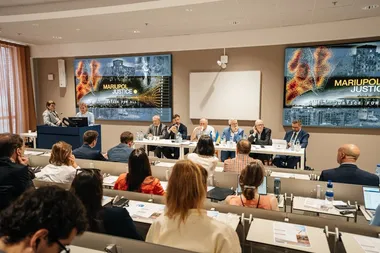
The Hague Hosts Discussion on the International Accountability Framework for Russia’s Crimes Through the Lens of Mariupol
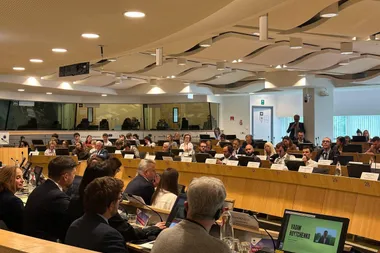
Mariupol Justice presented in Brussels as the first international model for restoring justice to a war-affected Ukrainian city