Solidarity with Ukraine: Opening of the Exhibition “Mariupol. The Path of Memory and Dream” in Gdańsk
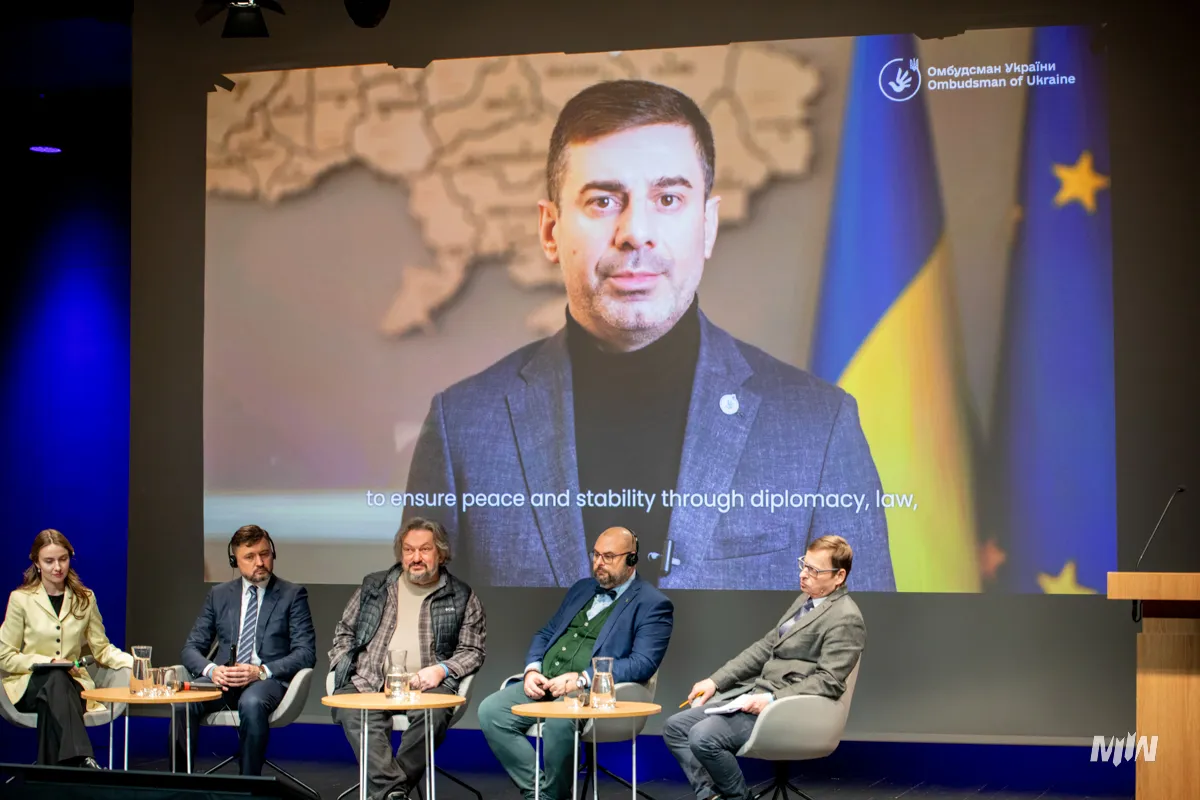
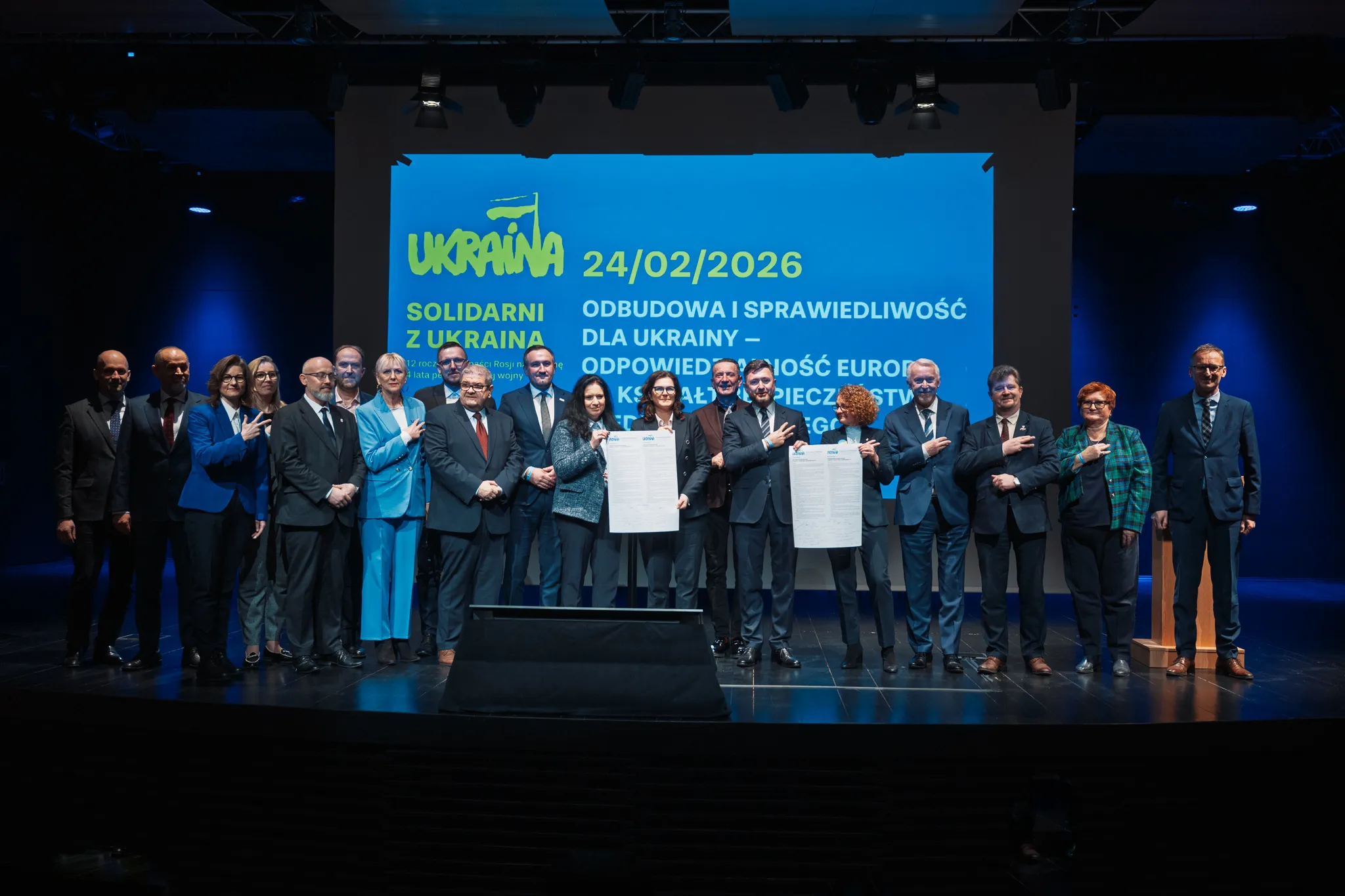
On 24 February, the international forum “Reconstruction and Justice for Ukraine – Europe’s Responsibility in Shaping International Security” took place in Gdańsk. The event brought together more than 150 participants, including representatives of Ukrainian and Polish cities, international experts, diplomats, human rights advocates, and civil society leaders.
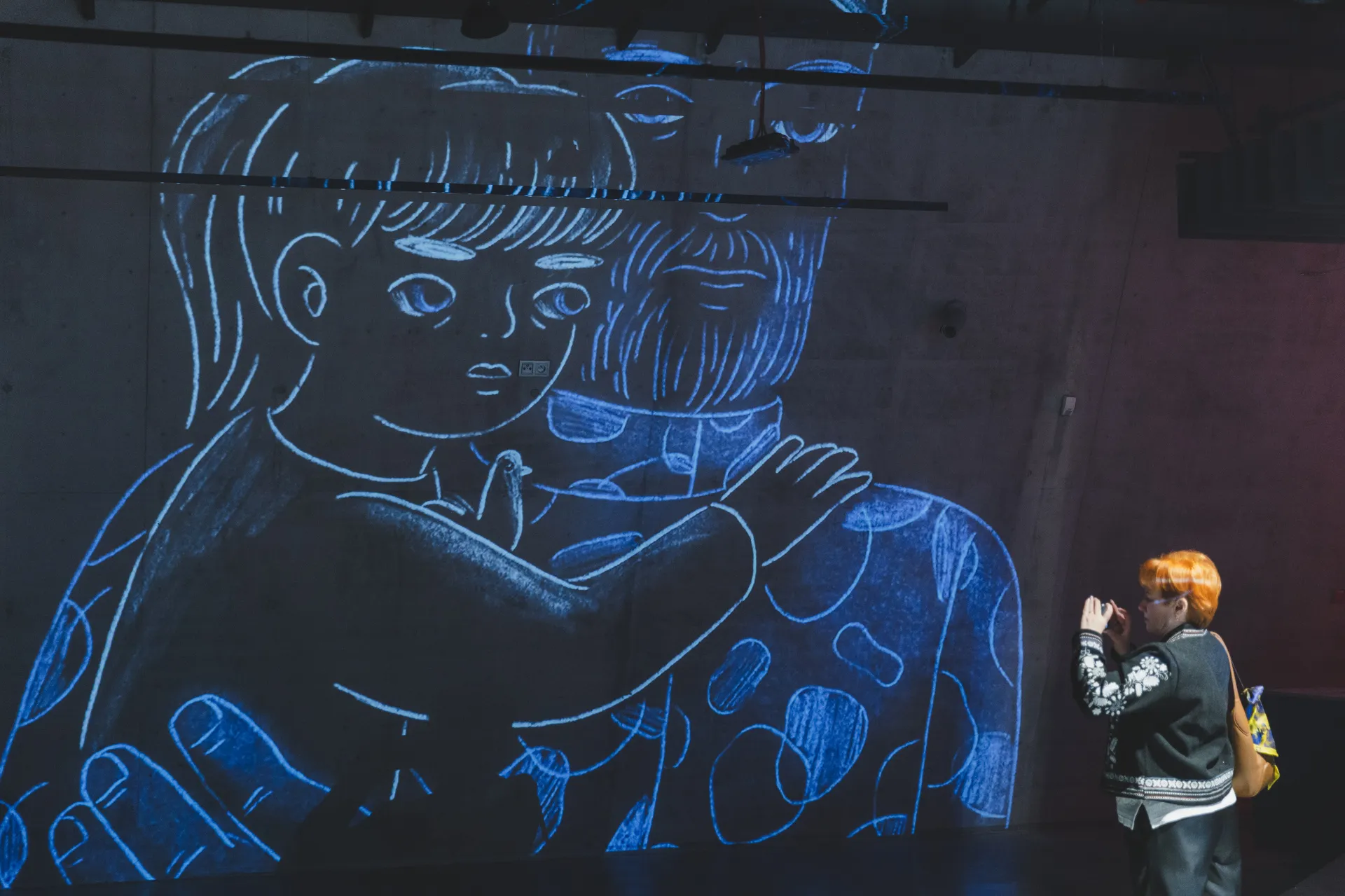
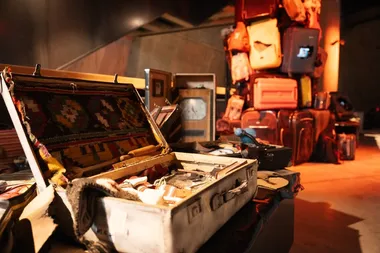
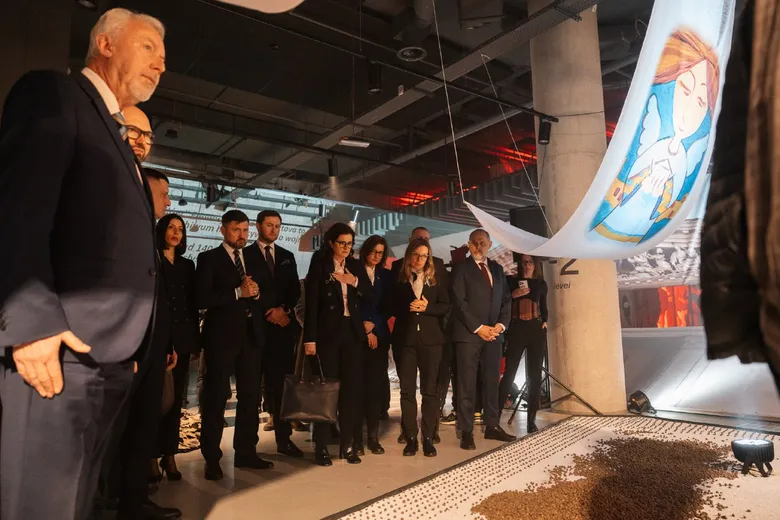
The central highlight of the forum was the presentation of the global human rights initiative Mariupol Justice and the opening of the multimedia exhibition “Mariupol. The Path of Memory and Dream” at the Museum of the Second World War.
The choice of venue for the forum was deeply symbolic. It was in Gdańsk that the Second World War began. The city was almost completely destroyed, yet it managed to rebuild and become a symbol of freedom and solidarity. For this reason, the opening of an exhibition dedicated to the tragedy of Mariupol became a particularly emotional moment during the international event. The exhibition was created and curated by world-renowned theatre director and cultural diplomat Vladyslav Troitskyi.
“With this exhibition, we sought to touch people’s hearts. When we speak about the victims of war and what is happening in Ukraine, it often sounds abstract to Western audiences. People grow weary of hearing about the war — and that is understandable. Yet the danger we are facing today does not concern Ukraine alone; in reality, it threatens the entire world. We hope that what people see here will help open their eyes”, said Vladyslav Troitskyi, director and curator of the exhibition “Mariupol. The Path of Memory and Dream”
“The exhibition is profoundly moving — words fail to describe it. It affects you not only through images and sound, but through real testimonies. The letters we saw — some that were sent, some that never reached their recipients, and some that arrived just days before the addressee’s death. In such a deeply human way, it shows that war can affect anyone — the young and the old, a mother, a child. It is incredibly moving. It is absolutely essential to present exhibitions like this, especially as more and more people in Europe begin to think that this does not concern them, or that we have grown tired of the war. Through such powerful images, we see that war concerns each and every one of us”, said Aleksandra Dulkiewicz, President of Gdańsk.
Through eyewitness testimonies, documents, and artistic installations, the exhibition reconstructs the 86 days of Mariupol’s defense — a city where more than 90% of infrastructure was damaged and nearly 40% of buildings were destroyed. At least 22,000 civilians were killed in Mariupol, 12,500 of whom have been verified within the Mariupol Justice initiative.
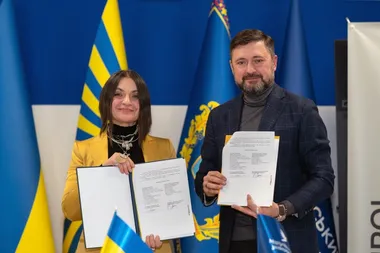
An important milestone was the signing of the Justice Declaration — an international document of solidarity that recognizes the deliberate destruction of Mariupol as a tragedy of global масштабу and affirms the need to hold Russia accountable. Fifteen Polish municipalities have officially expressed their solidarity with Mariupol by signing the Declaration.
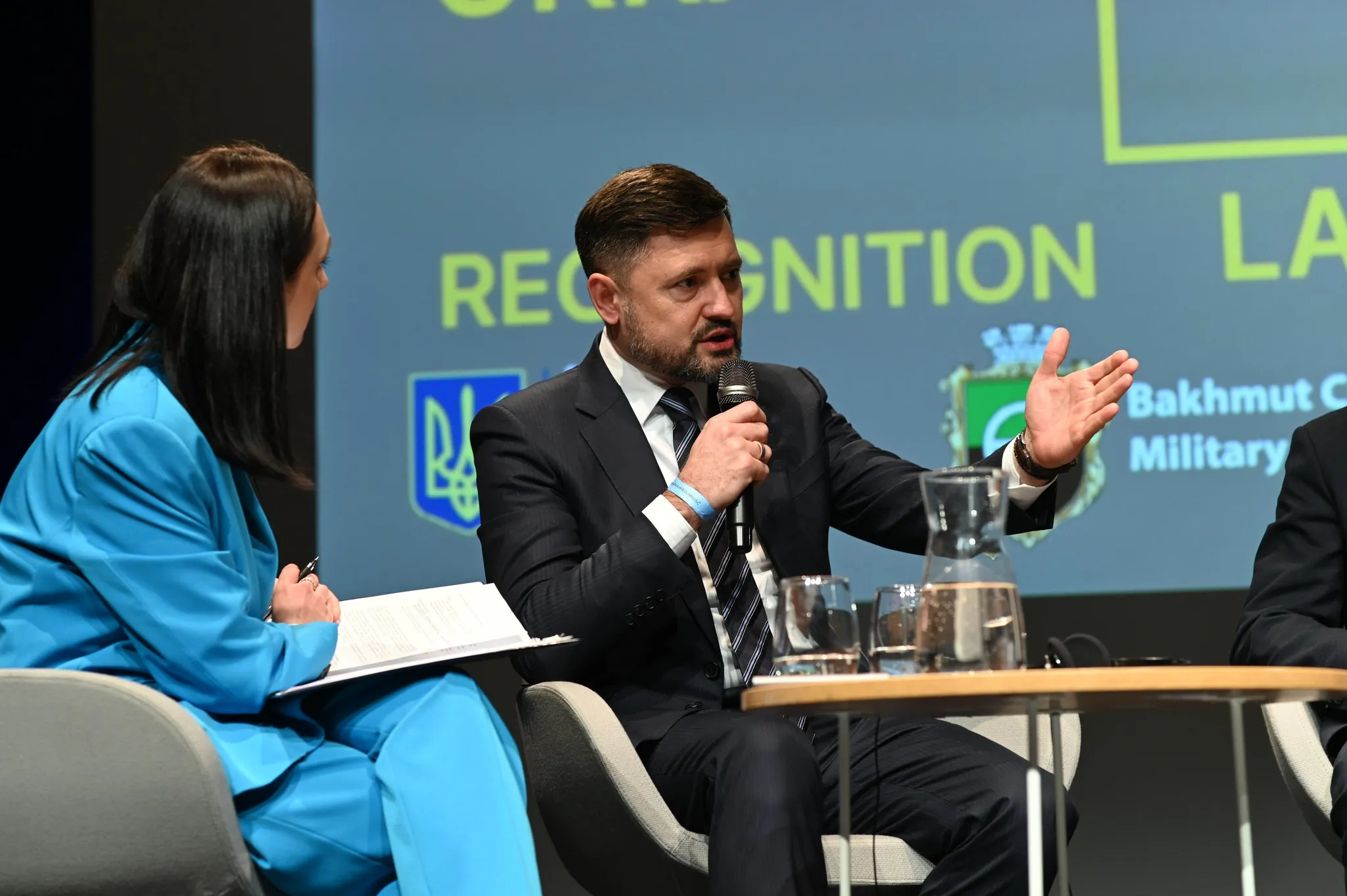
“This is not only a Ukrainian tragedy. It is a warning to all of Europe: if evil is not stopped, it will not stop on its own. That is why solidarity today is not merely a gesture of compassion — it is a component of a new security architecture. The war in Ukraine is not only a struggle for territory. It is a struggle for the principles on which the modern world is built. And in this struggle, responsibility rests with each of us — as community leaders, as politicians, and as citizens of Europe”, said Vadym Boichenko, Head of the Mariupol City Military Administration.
The forum program continued with an international conference focused on Europe’s new security architecture, legal mechanisms for holding perpetrators of war crimes accountable, and the prospects for Ukraine’s post-war reconstruction.
Participants emphasized that Ukraine is fighting not only for its own statehood today, but also for the security of all of Europe, and that the crimes committed against Mariupol represent one of the most severe challenges to international law in recent decades.
The Mariupol Justice project is designed to provide a systematic response to these challenges through the documentation of crimes, international recognition of the truth, and the development of compensation mechanisms for victims.
The event was organized by the Mariupol City Council, the City of Gdańsk, the Museum of the Second World War, and the Rinat Akhmetov Foundation.
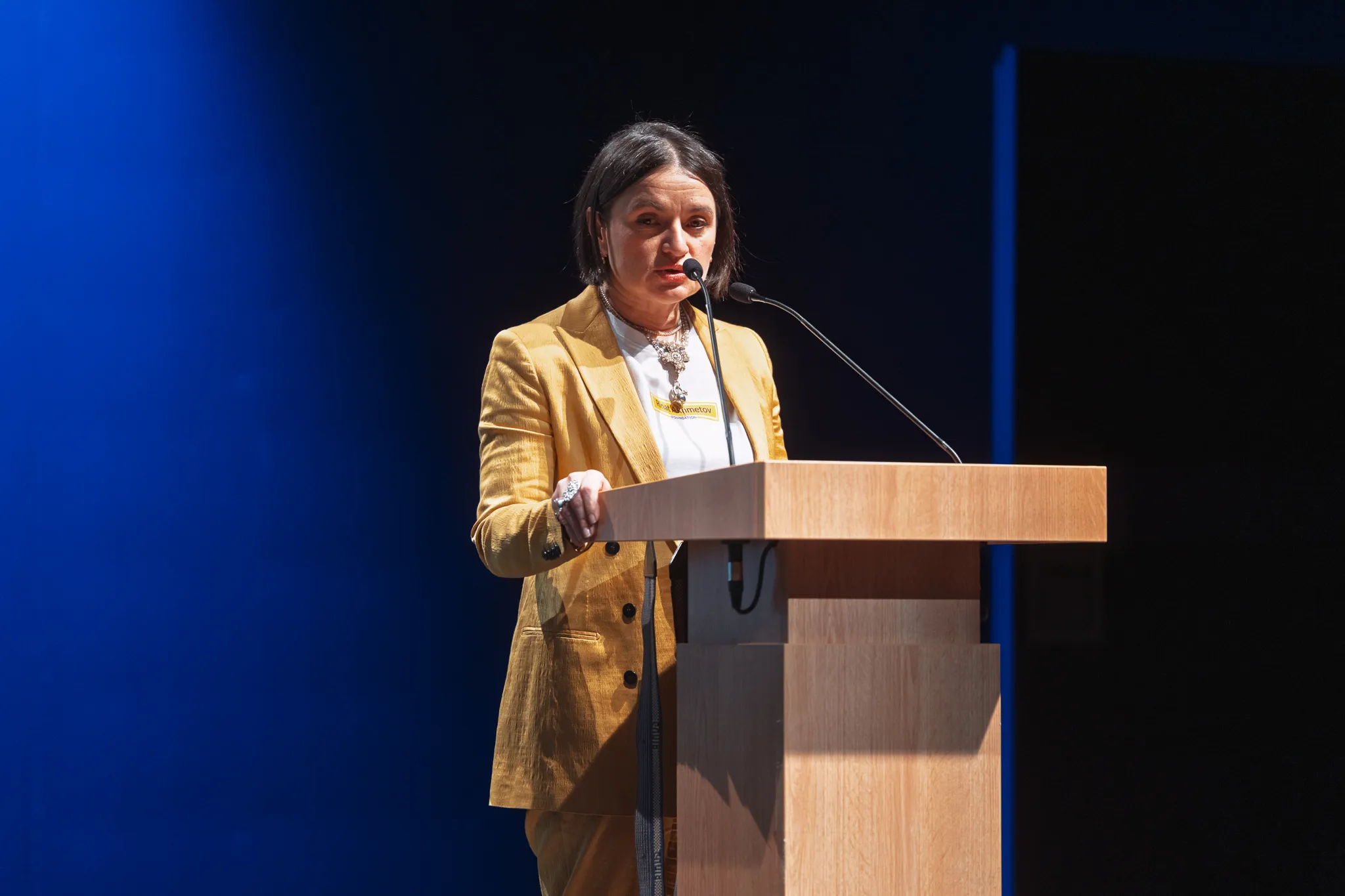
“For all of Rinat Akhmetov’s businesses, restoring justice and ensuring accountability for Russian crimes is a strategic priority. That is why we are co-founders and partners of the Mariupol Justice initiative. Mariupol is a distinct case. This is not about business losses — it is прежде about people. Since 2014, the Rinat Akhmetov Foundation has been recording oral testimonies — the stories of people who have lived through the war. Today, this archive contains more than 140,000 accounts. They are one of the key sources of truth: the more testimonies we document, the more complete and accurate the picture of reality becomes. For us, it is both an honor and a responsibility to be a partner of Mariupol Justice, to provide these testimonies for future tribunals, and to commit to preserving them and bringing the truth to the world”, said Natalia Yemchenko, Chair of the Supervisory Board of the Rinat Akhmetov Foundation.
The event’s partners included the Association of Ukrainians in Poland, the Donetsk Regional State Administration, the Bakhmut City Military Administration, the GogolFest International Festival of Contemporary Art, and the Ukrainian defense company General Chereshnia.
On the fourth anniversary of the start of Russia’s full-scale invasion of Ukraine — the largest and most brutal war in Europe since the Second World War — Gdańsk became a platform where the memory of tragedy can be transformed into an instrument of international accountability.
Photo gallery: